
In the intricate world of consumer finance, legal settlements often serve as the most effective tool for holding large institutions accountable. For customers of credit one bank class action settlement, a series of legal developments in early 2026 has brought intense scrutiny to the bank’s debt collection tactics and automated communication policies. These legal actions are far more than corporate speed bumps; they represent a coordinated effort by state and federal authorities to enforce consumer protection standards.
Grasping the nuances of these settlements is vital for any consumer looking to protect their financial rights or determine if they were unfairly targeted by past banking practices. While these cases involve millions of dollars, their primary objective is to mandate a shift in how the bank interacts with its clients—specifically regarding the persistence of their collection efforts. This guide provides an objective, educational breakdown of the recent settlements involving Credit One Bank, focusing on factual history, eligibility, and the broader impact on the credit market as of March 2026.
What Is the Credit One Bank Settlement?
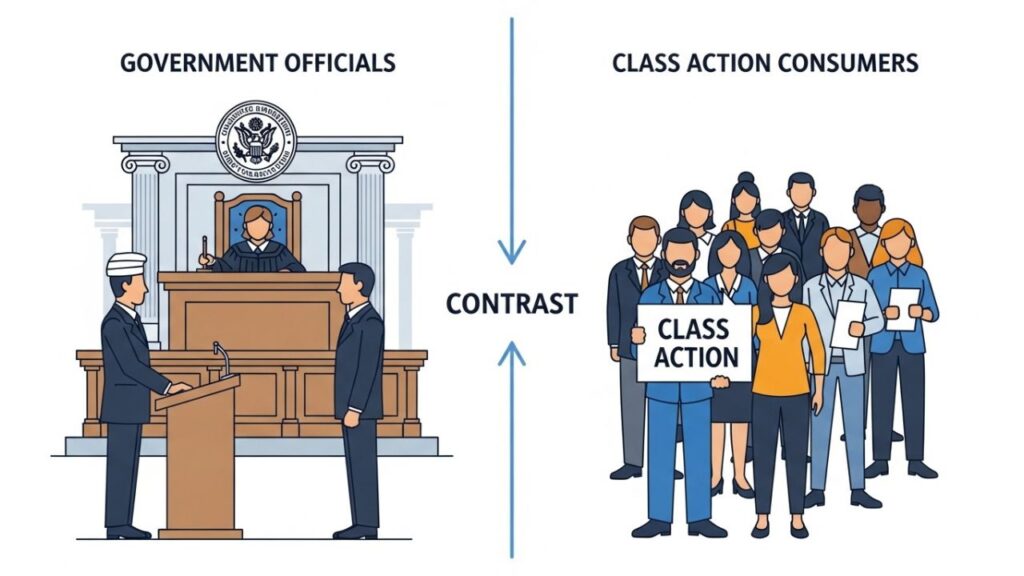
As of March 2026, Credit One Bank is navigating two distinct legal challenges that have resulted in significant financial and operational mandates. To understand your position, it is important to distinguish between a government-led enforcement action and a private consumer class action.

1. The California Debt Collection Settlement ($10.2 Million)
On February 19, 2026, a judgment was finalized in the Riverside County Superior Court between Credit One Bank and a task force of California district attorneys. This was a civil enforcement action, not a standard class action. The state alleged that the bank, along with its third-party vendors, engaged in “unreasonable and harassing” behavior by placing an excessive number of debt collection calls to California residents.
The core of the complaint centered on internal policies that allegedly permitted up to ten calls per day to a single individual, even after the consumer requested that the calls stop. The $10.2 million settlement includes $9 million in civil penalties and $1.2 million to cover the state’s investigative costs. While Credit One Bank denied any illegal conduct, they agreed to the settlement to resolve the litigation.
2. The TCPA Robocall Class Action ($14 Million)
Parallel to the California case is a proposed $14 million class action settlement moving through federal courts. This litigation involves the Telephone Consumer Protection Act (TCPA). The lawsuit claimed that Credit One Bank used automated dialers or prerecorded voices to contact people between 2014 and 2019 without their express consent. Unlike the California penalty, this specific fund is intended to provide direct financial relief to the individuals who received those calls.
How It Works: The Settlement Process
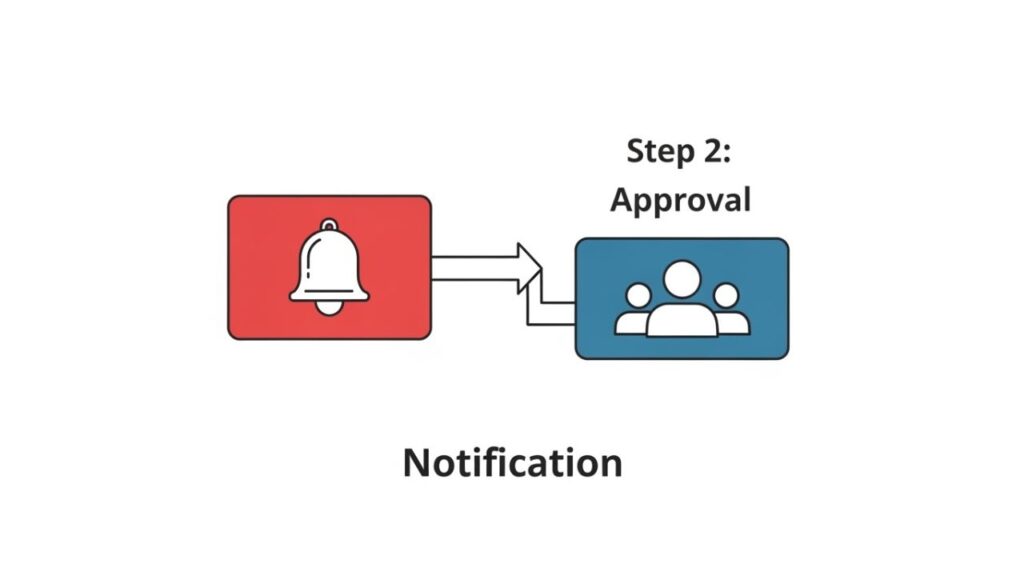
Participating in a class action like the TCPA case typically involves a standardized legal sequence. If you believe you were affected, the process generally unfolds as follows:
- Preliminary Approval: A judge reviews the settlement terms to ensure they are fair. Once the judge signs off, the “class”—the group of affected people—is officially defined.
- Notification Phase: The settlement administrator uses the bank’s records to identify potential class members. Notices are sent via mail or email, usually containing a unique Claimant ID and filing instructions.
- Submitting a Claim: Eligible individuals must complete a claim form by the court-ordered deadline. This usually requires confirming your contact information and stating that you received unauthorized calls during the relevant years.
- Final Fairness Hearing: The court holds a final session to review objections and decide whether to permanently approve the deal.
- Distribution: After final approval and the resolution of any appeals, the administrator calculates the payouts based on the number of valid claims and issues the payments.
Key Features of the 2026 Settlements
- Injunctive Relief: This is a court order requiring Credit One to change its behavior. The bank must now implement stricter internal controls to ensure call frequencies comply with the Rosenthal Fair Debt Collection Practices Act.
- Penalty vs. Payout: The $10.2 million California settlement is a government fine, not consumer payouts. It does not send checks to individuals. Only the TCPA class action pays consumers.
- Specific Timeframes: The TCPA settlement is retrospective, generally covering the window from 2014 through 2019.
- Third-Party Responsibility: The courts have reinforced that banks are legally responsible for the actions of the outside agencies they hire to collect debts.
Benefits and Advantages of These Actions
Though legal disputes are inherently adversarial, these settlements offer broader benefits to the public interest:
- Market Accountability: High-profile settlements signal to the entire banking industry that aggressive or automated harassment will carry a heavy price tag.
- Direct Redress: For those in the TCPA class, the settlement provides a way to receive compensation for the annoyance of illegal robocalls without the need to hire a personal lawyer.
- Established Boundaries: These cases help define “harassment” in concrete terms. For example, the California case makes it clear that calling a consumer eight to ten times a day is legally problematic.
- Privacy Enforcement: These actions uphold the integrity of the TCPA, ensuring that mobile phones remain a private space rather than a target for constant automated intrusion.
Risks, Drawbacks, and Limitations
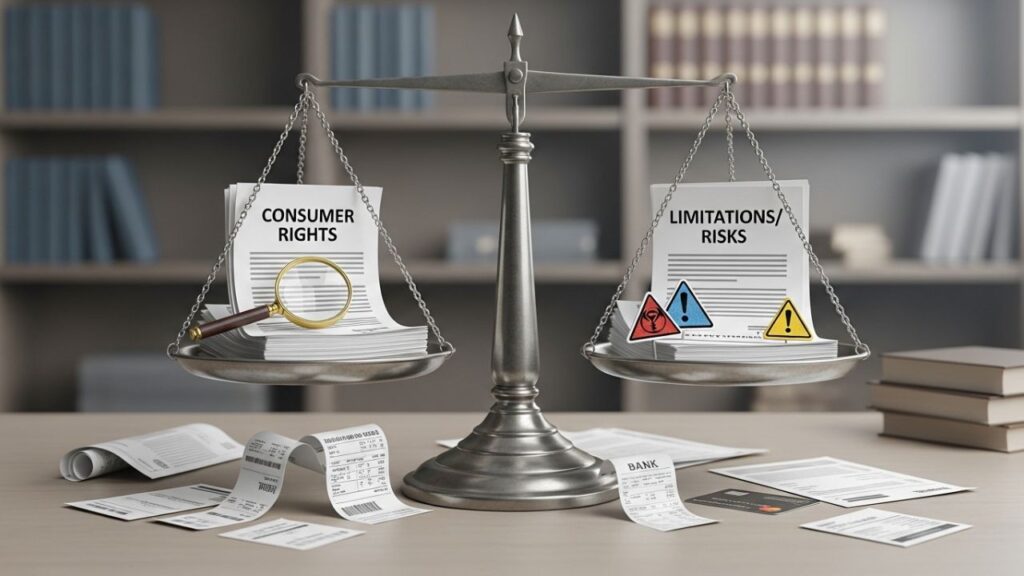
While settlements are a form of justice, they are rarely a “jackpot” for the consumer. There are significant limitations to consider:
- Diluted Payouts: Because the $14 million fund is shared among many people, individual checks are often small. Estimates suggest payments could range from $100 to $1,000, but that number can shrink if a very high number of people file claims.
- Waiver of Rights: By accepting a settlement check, you usually forfeit your right to ever sue Credit One Bank again for these specific calling violations.
- The Risk of Scams: Fraudsters often create fake websites that look like official settlement pages. A legitimate settlement will never ask you for a fee to file your claim.
- Lengthy Timelines: The legal system moves slowly. It can take several years from the initial announcement to the moment a payment actually arrives.
Who It May Be Suitable For
Participation in the TCPA Class Action is generally appropriate for:
- Individuals who received automated calls from the bank between 2014 and 2019 despite never having an account with them.
- Current or former customers who revoked their consent for calls but continued to receive them.
- Anyone seeking a simple, cost-free way to receive a small amount of compensation for past communication grievances.
Who Should Be Cautious or Avoid It
Some individuals may find it more beneficial to stay away from the class action:
- People with Significant Damages: If the bank’s harassment caused you documented medical issues or severe financial loss, the small class action payout might be insufficient. In this case, you might “opt out” to preserve your right to a private lawsuit.
- California Residents Seeking Direct Cash: Since the $10.2 million settlement is a state penalty, there is no “claim” to file. Any person or website promising you a share of that specific $10.2 million fund is likely attempting to steal your information.
Alternatives and Related Options
If you are frustrated with a bank’s behavior but do not qualify for these specific settlements, consider these alternatives:
- CFPB Complaint: You can file a formal complaint with the Consumer Financial Protection Bureau. While they don’t act as your personal attorney, they require the bank to provide an official response to your concerns.
- Private FDCPA Action: If a collector violates the Fair Debt Collection Practices Act, you may be able to sue for up to $1,000 in statutory damages plus attorney fees.
- Credit Counseling: If debt collection calls are a symptom of larger financial struggles, non-profit credit counseling can help you negotiate more manageable terms and stop the call cycle through a legitimate debt management plan.
Key Points for Consumer Vigilance
- Understand Your Rights: Legal actions, like the Credit One Bank settlement, highlight that consumers have specific protections against harassment and unauthorized communication under laws like the TCPA and the Rosenthal Act.
- Maintain Clear Records: Whether you are managing accounts via a SaviBank login or a TopLine Credit Union login, always keep a detailed log of your communications with financial institutions to use as evidence if disputes arise.
- Strategize Debt Management: If you are managing multiple high-interest obligations, consider structured solutions like traceloans.com debt consolidation to simplify your monthly payments and avoid the collection cycles that often lead to legal friction.
- Utilize Secure Monitoring: Leverage digital tools and secure platforms, such as Webwise Banking, to monitor your transactions in real-time, allowing you to spot and address unauthorized activities before they escalate into major issues.
Frequently Asked Questions
1. How do I find out if I am eligible for a payout?
If you are part of the TCPA class, you should receive a notice in the mail or via email. This notice will include a unique ID number. If you haven’t received one, you can check the official court-authorized website once the claim period officially opens.
2. Can I get a refund for my bank fees through these settlements?
Generally, no. These specific settlements focus on communication and debt collection practices, not the underlying fees or interest rates associated with your credit card account.
3. Is it true that I have to pay to file my claim?
No. This is a major red flag. Legitimate class actions are always free for the victims. If you are asked for money, you are likely on a scam website.
4. What if the bank is still calling me too much today?
The 2026 California settlement mandates that the bank change its current calling behavior. If you are still experiencing excessive calls, document every instance and file a report with the California Attorney General or the CFPB.
5. Does participating in the settlement affect my credit score?
No. Filing a claim in a class action settlement is a legal matter and does not appear on your credit report or impact your credit score in any way.

Conclusion
The 2026 legal actions against Credit One Bank reflect a broader trend of increased regulatory oversight in the consumer finance sector. While the $10.2 million California settlement acts as a stern warning to the industry, the $14 million TCPA class action offers a specific mechanism for consumers to seek redress for unauthorized intrusions.
For the average consumer, these events serve as a reminder that your phone and your time are protected by law. By staying informed through official court channels and keeping detailed records of bank interactions, you can better navigate the often-confusing world of consumer credit.