
In our increasingly globalized economy, multinational corporations are constantly searching for stable, well-regulated hubs to anchor their international trade operations. For decades, Singapore has positioned itself as a premier destination for these activities by crafting strategic policy frameworks that cater to large-scale commerce. One of the most influential pillars of this economic strategy is the Global Trader Programme. Managed by Enterprise Singapore, this initiative serves as a sophisticated bridge between the city-state’s infrastructure and the world’s most active trading entities.
For the Singaporean government, the GTP is a tool for long-term economic development. It attracts highly skilled professionals, increases the demand for local financial services, and bolsters the logistics sector. For qualifying companies, it offers a structured environment with concessionary tax rates, provided they can consistently meet strict performance milestones. Navigating the GTP requires a deep understanding of its requirements, as it is intended for serious market players committed to a long-term presence in the region.
What Is the Global Trader Programme?
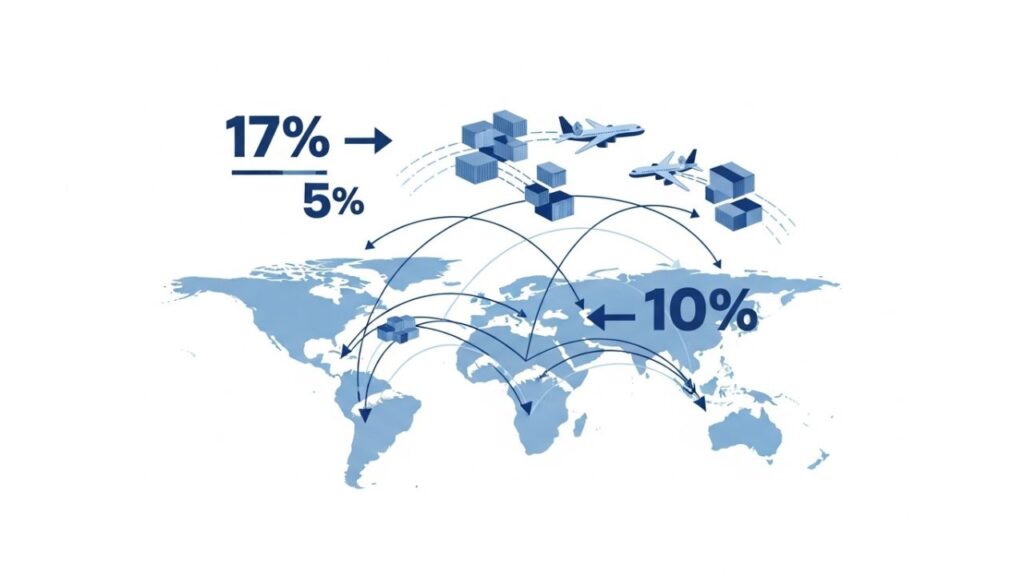
In simple terms, the Global Trader Programme is a government-led initiative that offers reduced corporate tax rates to approved international trading firms. While Singapore’s standard corporate tax rate is set at 17%, companies that successfully enroll in the GTP can see their qualifying trading income taxed at a concessionary rate of 5% or 10%.
The program specifically targets offshore trading activities. In this context, businesses purchase goods from and sell them to parties located outside of Singapore, or they use Singapore as a trans-shipment hub to facilitate the movement of goods. The program does not serve local retail businesses or domestic distributors. Instead, it focuses on large-scale enterprises that handle substantial volumes of commodities and industrial products across international markets. These companies rely on Singapore as their operational nerve center, coordinating complex global trade flows, managing logistics, and optimizing supply chain efficiency from a centralized location.

How It Works: The Path to Approval
GTP status is never granted automatically; it is an earned designation that involves a comprehensive application and a commitment to future growth. The process generally follows these steps:
- Self-Assessment: A company must first evaluate its global footprint. This includes reviewing annual turnover, projected local business spending, and current or future headcount.
- Formal Proposal: The organization submits a detailed business plan to Enterprise Singapore. This document must outline how the company intends to contribute to the local economy over the next several years.
- Regulatory Review: Enterprise Singapore scrutinizes the company’s track record. They look for a proven history in international trade and a genuine commitment to developing local talent.
- Incentive Award: If approved, a company is granted an initial status. High-growth firms might receive a 3-year status to prove their viability, while established global giants typically receive a 5-year renewable status.
- Ongoing Maintenance: Once inside the program, companies must file annual reports and participate in periodic audits to demonstrate they are meeting their promised benchmarks.

Key Components and Qualifying Activities
To ensure the incentive is used for its intended purpose, the GTP strictly defines what counts as “qualifying income.”
- Qualifying Transactions: This category includes income from physical trading and certain derivative trading activities used for risk management. For firms looking to refine their execution strategies, understanding buy market settings can be a useful parallel in understanding how professional traders manage entry and exit points in high-volume environments.
- The Product Scope: The range of eligible goods covers energy products, chemicals, metals, minerals, and agricultural commodities.
- Functional Requirements: The government expects the Singapore office to perform more than just administrative tasks. It must be the site of “nerve center” functions, such as treasury management and logistics coordination.

Benefits and Advantages
The most immediate benefit of the GTP is tax optimization. For high-volume trading entities where margins can be thin, a reduction in the tax rate from 17% to 10% or 5% represents a significant capital advantage. This allows firms to reinvest their savings into expanding their operations or improving their technology.
Beyond the financial aspect, the GTP provides a level of operational stability. The Singapore government has consistently signaled its support for the program, extending its lifespan in recent budgets. Furthermore, being part of the GTP is often seen as a mark of institutional credibility. It signals to banks and partners that the company has undergone significant due diligence by a respected economic agency.
Risks, Drawbacks, and Limitations
While the benefits are clear, the GTP is not without its challenges and risks.
- Benchmark Vulnerability: The program is built on promises. If a company fails to hit its targets—perhaps due to a global downturn—it risks losing its status.
- Administrative Burden: Maintaining GTP status requires meticulous record-keeping. Distinguishing between qualifying offshore income and non-qualifying domestic income requires specialized accounting.
- Asset Valuation and Volatility: Large trading houses must be adept at monitoring market fluctuations across different sectors. Utilizing tools like Bitcoinity for real-time data tracking serves as a reminder that transparency and data accuracy are vital in any high-stakes trading environment.
- Entry Barriers: The requirement for a USD 100 million annual turnover and SGD 3 million in local spending makes this a “big players only” club.
Who It May Be Suitable For
The GTP is best suited for established international trading houses that have reached a certain scale.
- Global Commodities Traders: Firms dealing in oil, gas, metals, or agriculture that require a stable home base for their Asian operations.
- Scaling Mid-Sized Entities: High-growth companies that are ready to commit to a significant physical presence in Singapore.
- Diversified Portfolios: Firms that manage a variety of assets and need a centralized hub. For those analyzing diverse holdings, looking at an asset by asset breakdown is often the best way to determine which parts of the business would benefit most from the GTP framework.

Who Should Be Cautious or Avoid It
Certain business models are a poor fit for the GTP, and attempting to force a fit can lead to regulatory headaches.
- Domestic-Focused Businesses: If your primary revenue comes from selling goods to customers within Singapore, you will likely not meet the criteria for “offshore” trading.
- Thinly Staffed Entities: Companies looking to set up “shell” offices with no real personnel will not pass the requirement to hire at least three experienced trading professionals.
- Speculative Ventures: While the GTP covers some derivatives, it is not a haven for unhedged speculation. Understanding the risks involved in high-volatility assets, similar to tracking a coin price in the digital asset space, is essential for maintaining the conservative risk profile required by Singaporean regulators.
Alternatives and Related Options
If the GTP is not the right fit, Singapore offers several other pathways for corporate growth:
- Finance and Treasury Centre (FTC) Incentive: Ideal for companies focused on managing group liquidity and regional financing.
- Maritime Sector Incentive (MSI): Tailored for shipping lines and companies that provide essential maritime support services.
- SME Support: Smaller Singapore-based companies may find more success with market readiness grants rather than large-scale tax incentives.
Frequently Asked Questions
Q1: What happens if our turnover drops below the threshold one year?
Enterprise Singapore typically looks at performance over the entire incentive period rather than a single year. However, a significant drop may trigger a review of your status.
Q2: Can we trade in carbon credits under the GTP?
Yes. As of 2026, the program explicitly includes Environmental Attribute Certificates, reflecting Singapore’s goal to become a hub for the green economy.
Q3: Is the tax concession applicable to all our profits?
No. It only applies to income derived from qualifying trading activities. Income from other sources is taxed at the standard 17%.
Q4: How many local employees do we actually need?
The baseline requirement is typically at least three experienced trading professionals involved in core activities like risk management or procurement.
Q5: Is the application process expensive?
While there isn’t a massive “entry fee,” the indirect costs—such as hiring specialized tax consultants to prepare the business plan—can be substantial.
Conclusion
The Global Trader Programme is a sophisticated tool that underscores Singapore’s commitment to being a global commerce leader. For the right company, it provides a stable, tax-efficient framework to manage complex international trades. However, it is a “substance-over-form” incentive, meaning companies must bring real value and real jobs to the country. Before applying, firms should conduct a thorough cost-benefit analysis to ensure they can sustain the high standards required over the long term.