
Selecting a bank account is one of the most fundamental steps in managing your financial life, and understanding how to choose a bank account can make a significant difference in your financial stability. It serves as a secure anchor for your capital, providing a reliable way to receive income, pay bills, and navigate the modern economy. In 2026, the banking landscape has shifted significantly; consumers now choose between traditional brick-and-mortar institutions, community-focused credit unions, and sleek, digital-only platforms. Because every institution offers different interest rates, fee structures, and accessibility levels, picking the wrong one can lead to unnecessary costs and logistical headaches. Understanding how to choose a bank account by aligning an account’s specific features with your daily habits is essential for keeping your money protected, accessible, and working as hard as possible for you.
What is a Bank Account?
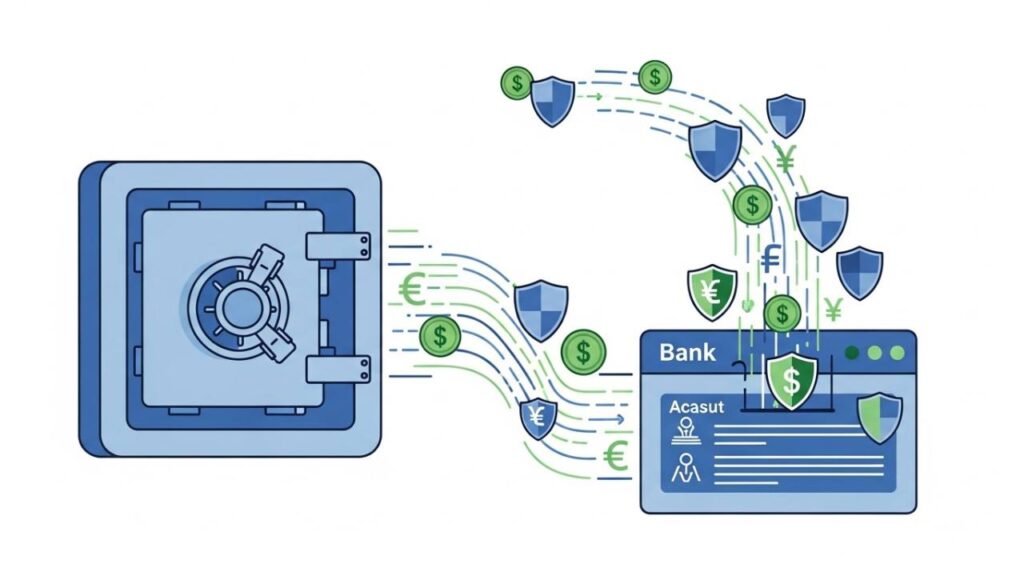
At its core, a bank account is a formal arrangement with a regulated financial institution that lets you store, manage, and withdraw your money. Think of it as a digital vault that provides a safer alternative to carrying physical cash. Beyond simple storage, these accounts act as a real-time ledger, automatically tracking every cent that enters or leaves. Depending on the type you choose, an account can function as a tool for immediate spending, a dedicated space to build an emergency fund, or a vehicle for short-term savings growth.

How to Choose the Right Account
Finding the right fit requires a cold look at how you actually use your money. Instead of picking the biggest brand name, follow these steps to find an account that complements your lifestyle:
- Define the Primary Purpose: Decide if you need an account for high-volume daily transactions (checking) or a place to accumulate interest on money you won’t touch for a while (savings).
- Assess Your Need for “Human” Interaction: If you frequently deposit stacks of cash or prefer sitting across from a representative to resolve issues, prioritize a traditional bank with local branches. If you are comfortable handling everything via a smartphone, an online bank often provides better rates.
- Review Your Recent Balances: Most “free” accounts aren’t actually free unless you meet a certain threshold. Look at your bank statements from the last few months to see what your average balance looks like; this will help you avoid accounts with minimums you can’t consistently meet.
- Scrutinize the Fee Schedule: Every bank is required to provide a “Truth in Savings” disclosure. Pay close attention to the fine print regarding monthly maintenance fees, overdraft penalties, and charges for using an ATM that doesn’t belong to their network.
- Confirm Federal Protection: Never open an account at an institution that isn’t backed by the government. Ensure banks are members of the FDIC and credit unions are members of the NCUA.
Key Features and Core Components
Modern banking involves several technical layers that dictate how smoothly you can move your money:
- Routing and Account Numbers: These are the digital “addresses” for your money. They allow you to set up direct deposits from your employer or send electronic payments through the ACH network.
- ATM Connectivity: This determines how easy it is to get physical cash. Some banks have thousands of their own machines, while others partner with massive networks like Allpoint or MoneyPass to provide fee-free access.
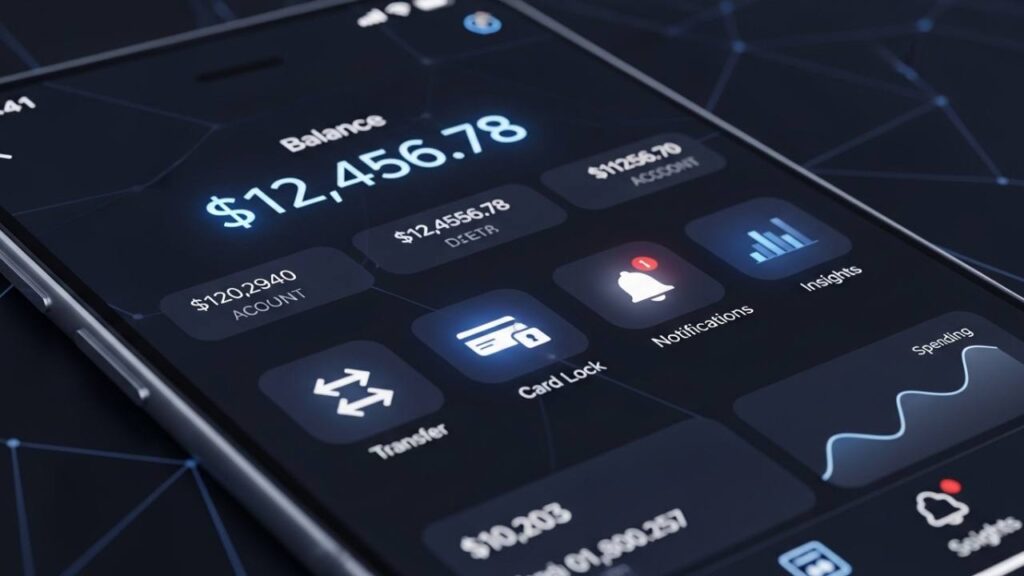
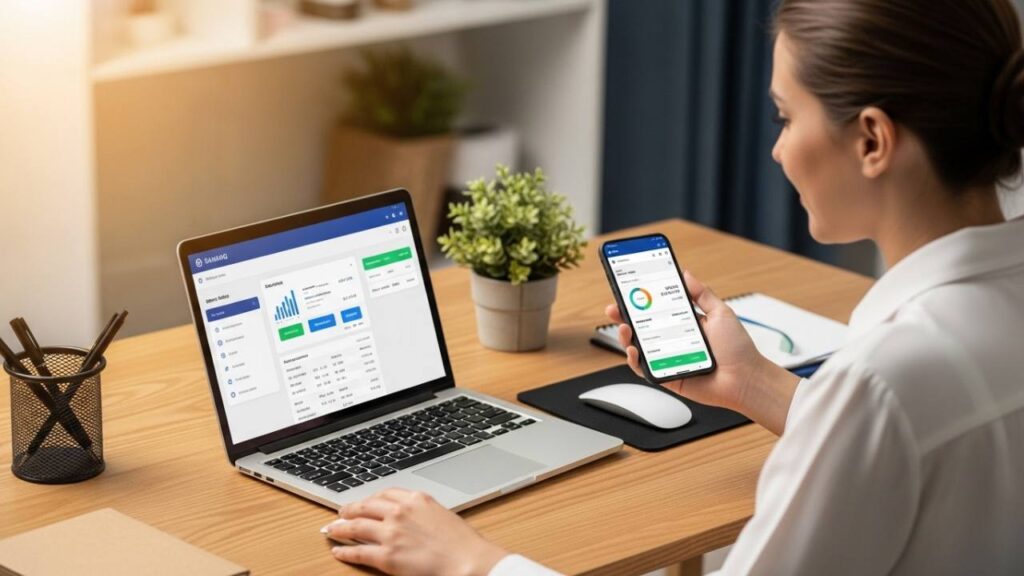
- The Digital Interface: In 2026, a bank is only as good as its app. Essential features include mobile check deposit, the ability to instantly lock a lost debit card, and seamless integration with digital wallets.
- Annual Percentage Yield (APY): This is the interest rate the bank pays you. While it may seem small, a high APY on a savings account can make a significant difference in your balance over several years.
- Overdraft Services: This is a safety net (often a paid one) where the bank covers a transaction if your balance hits zero, preventing a declined card at the checkout counter.
Benefits and Advantages
The most significant advantage of using a formal bank account is unmatched security. If you lose a $100 bill, it is gone; if someone steals your debit card, federal law limits your liability for unauthorized purchases. Furthermore, accounts at insured institutions are backed up to $250,000, meaning your money is safe even if the bank faces financial trouble.
Beyond safety, bank accounts offer unparalleled convenience. Features like automated bill pay ensure you never miss a deadline, while direct deposit often allows you to access your paycheck up to two days earlier than a paper check. For those focused on growth, High-Yield Savings Accounts (HYSAs) provide a low-risk way to earn passive income, helping your savings keep pace with the rising costs of living.
Risks, Drawbacks, and Limitations
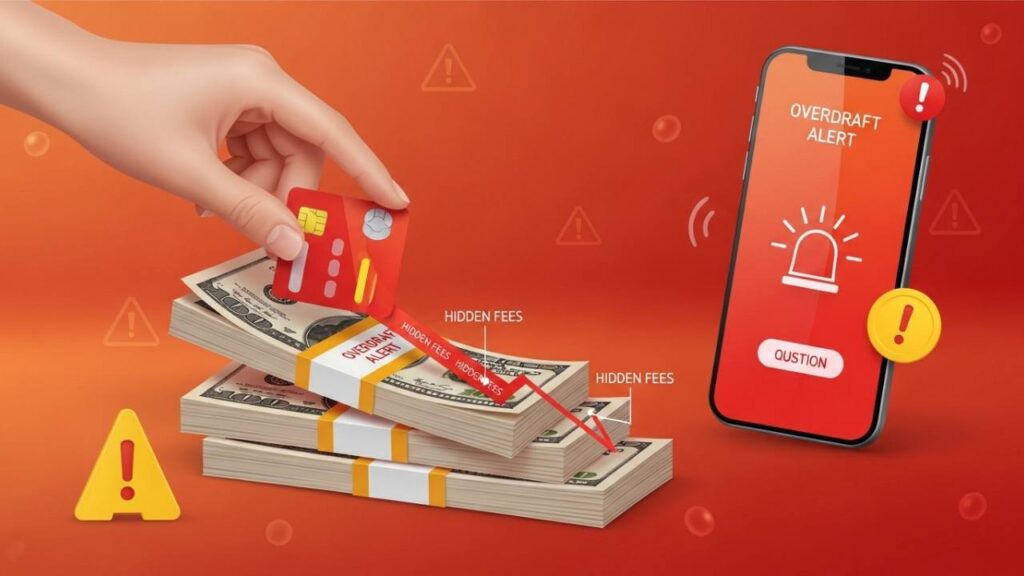
Even the best bank accounts have potential downsides. The most common pitfall is the accumulation of “hidden” fees. Between monthly service charges (which can hover around $14 at major banks) and out-of-network ATM fees, a poorly managed account can actually cost you more than it earns in interest.
There is also the risk of losing purchasing power. If your money is sitting in a standard checking account earning 0.01% interest while inflation is at 3%, your money is technically losing value every day. Additionally, users must be aware of security vulnerabilities. While banks use high-level encryption, the human element—such as phishing scams or weak passwords—remains a weak point. Finally, online-only banks can be a major inconvenience if you need to deposit a large amount of physical cash, as they rarely have a way to accept it directly.
Who It May Be Suitable For
- Regular Earners: Anyone with a steady paycheck will find a checking account indispensable for receiving direct deposits and managing monthly expenses.
- Digital Savvy Spenders: Those who rarely carry cash and prefer the speed of “tap-to-pay” or peer-to-peer transfers will benefit most from modern digital banking.
- The Goal-Oriented Saver: Individuals building a “rainy day” fund should look for HYSAs, which provide a clear separation between spending money and savings.
- Remote Workers: People who move frequently or work from different locations benefit from large national banks or online banks that offer consistent service regardless of geography.
Who Should Be Cautious or Avoid Specific Accounts
- Cash-Heavy Workers: If you receive a lot of your income in physical cash (like servers or contractors), avoid online-only banks that lack local deposit taking ATMs or branches.
- Individuals with Fluctuating Balances: If your bank account often dips near zero, stay away from “Premium” accounts that charge high fees if a $2,500 minimum isn’t maintained.
- Privacy Extremists: While banking is secure, every transaction is recorded. Those who prefer total anonymity for every purchase may find the transparent nature of bank ledgers restrictive.
Alternatives and Related Options
A traditional bank account isn’t the only way to manage your finances. You might also consider:
- Credit Unions: These are member-owned and often offer more competitive rates and a more personal “community” feel than big banks.
- Money Market Accounts: These act as a middle ground, offering the higher interest of a savings account with some of the transaction flexibility of checking.
- Cash Management Accounts: Often offered by brokerage firms, these allow you to keep your “spending money” in the same place as your investments, often with very high interest rates.
- Prepaid Debit Cards: For those who cannot open a standard account due to past credit issues, these provide a way to make digital purchases without a traditional banking relationship.
Key Points: Managing Transactions and Security
Effectively managing a bank account involves more than just checking a balance; it requires verifying specific financial events and knowing how to navigate secure portals.
- Verifying Settlement Credits: When monitoring an account for a legal refund or credit, such as those related to the Credit One Bank class action settlement, the monthly statement is the primary official record to confirm a transaction has been finalized.
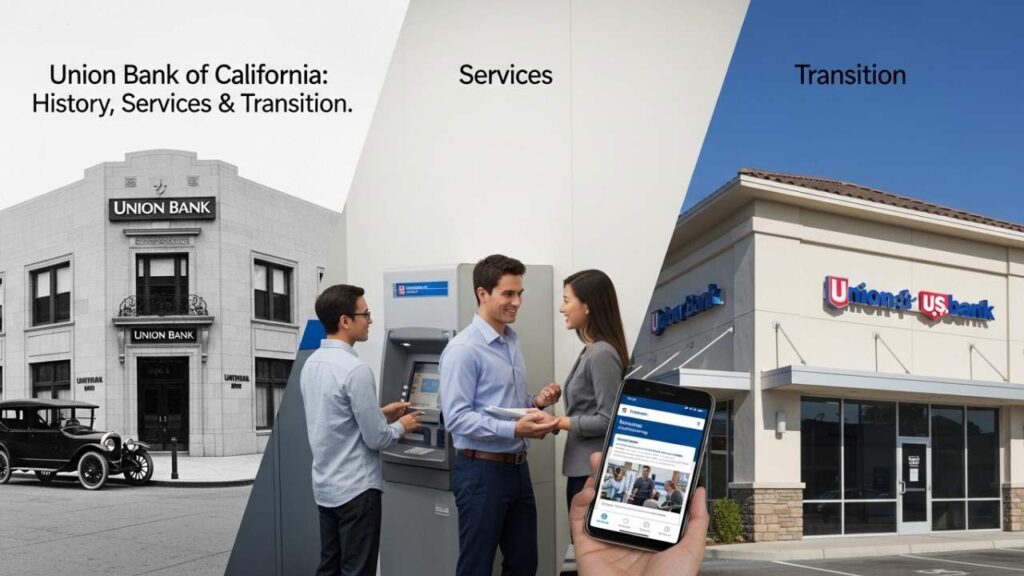
- Accessing Regional Records: Different institutions utilize unique interfaces for document management. For example, retrieving historical spending records through Union Bank of CA or Homebank Quincy IL often requires navigating specific “e-statement” portals.
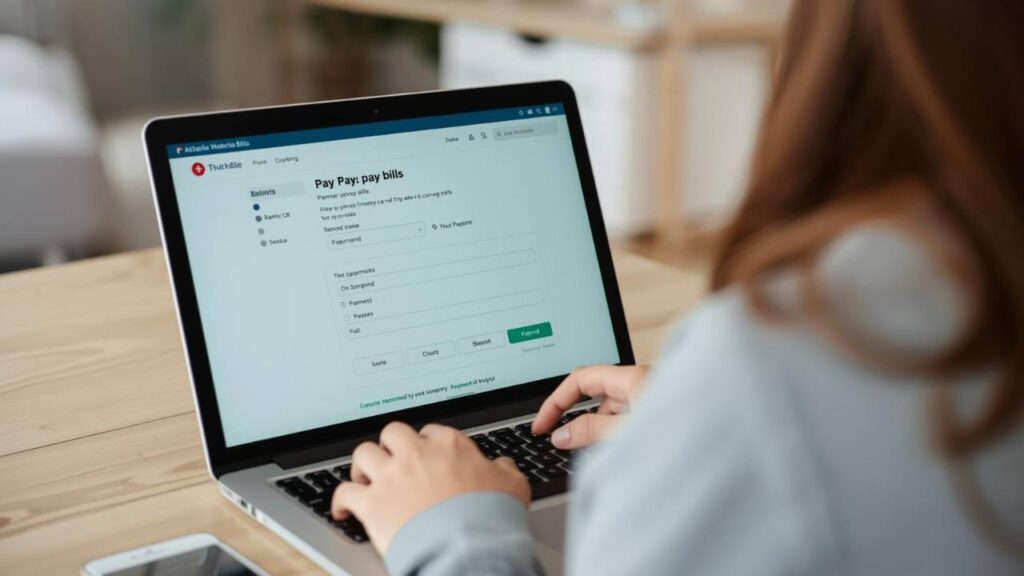
- Automating Bill Reviews: To ensure all debits are accurate, cross-referencing statements with digital payment history is essential. Using specialized portals like PNP BillPay helps account holders match exact dollar amounts on their statements with intended outgoing payments.
Frequently Asked Questions
1. Is there a limit on how many times I can move money out of savings?
While federal regulations (Regulation D) used to limit savings withdrawals to six per month, many banks have made these limits more flexible. However, some still charge fees if you treat a savings account like a checking account.
2. What happens if I accidentally spend more than I have?
This triggers an “overdraft.” Depending on your settings, the bank will either decline the transaction or pay it for you and charge an overdraft fee, which usually ranges from $30 to $35.
3. Can I open a bank account if I have bad credit?
Yes. Most banks look at a system called ChexSystems rather than your standard credit score. If you have a history of unpaid bank fees, you might need to look for a “Second Chance” checking account.
4. Why is my “Available Balance” different from my “Current Balance”?
The Current Balance is the total amount in the account, but the Available Balance subtracts “pending” transactions (like a dinner bill from last night that hasn’t fully cleared yet). Always follow the Available Balance to avoid fees.
Conclusion
Finding the right bank account is a balancing act between accessibility and cost. While no single account is perfect for everyone, the best choice is one that mirrors your spending habits and protects your hard-earned money from unnecessary fees. Whether you choose a local credit union for its personal touch or a high-yield online account for its growth potential, the goal remains the same: ensuring your financial foundation is stable, secure, and easy to manage.