
A global equity fund is a collective investment vehicle that gathers capital from a wide array of individuals to purchase shares in publicly traded companies across the globe. Unlike a domestic fund, which restricts its focus to a single home market, a global fund treats the entire world as its playground. By investing in developed regions like North America and Europe alongside emerging powerhouses in Asia or Latin America, these funds allow everyday investors to participate in the broader trajectory of the global economy.
For many, the appeal lies in moving beyond local boundaries. Relying solely on one’s home country for investment growth can be risky; if the local economy stumbles, the entire portfolio suffers. Global equity funds act as a strategic countermeasure to this “home bias.” They provide a streamlined way to access international innovation and corporate success without the logistical headache of opening multiple foreign brokerage accounts or navigating the complexities of international tax treaties.
What Is Magellan Global Equity?
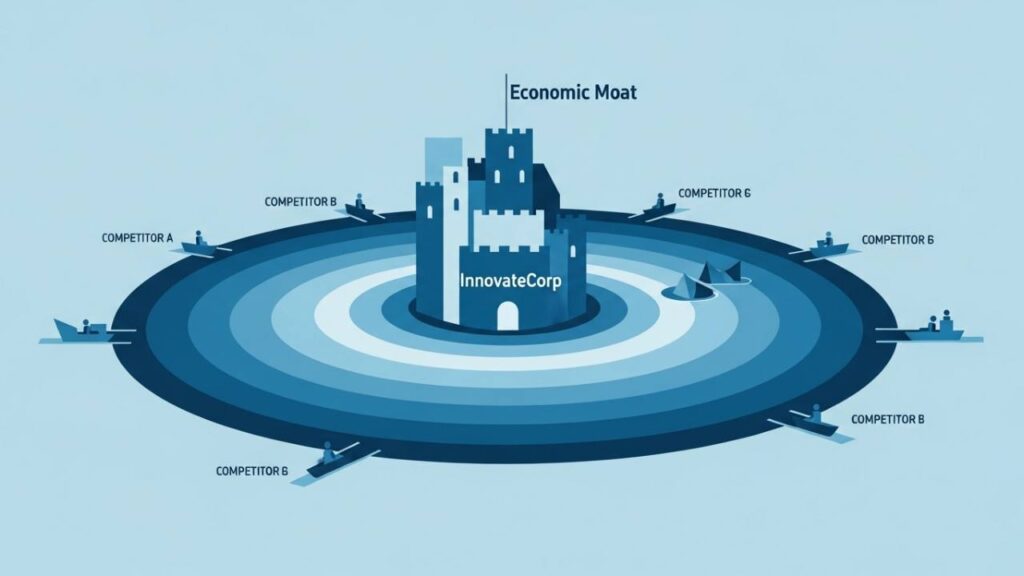
When we look at specialized providers like Magellan Investment Partners, the concept of a global equity fund takes on a specific, high-conviction shape. Rather than attempting to own every stock in a market index, these strategies center on identifying “high-quality” businesses. These are companies that possess what Warren Buffett famously called an “economic moat”—a sustainable competitive advantage that allows them to earn profits well above the cost of their capital for years, if not decades.
A distinguishing feature of this approach is its concentrated nature. While a standard index fund might hold thousands of stocks, a concentrated global equity strategy typically narrows the field to between 20 and 40 core positions. The philosophy here is simple: if a fund manager identifies a truly exceptional company, they should own enough of it to make a meaningful impact on the portfolio’s performance. This often leads to heavy weightings in dominant global sectors like Technology and Financial Services, featuring household names such as Microsoft, Apple, and Visa.
How It Works
Understanding the mechanics of a global equity fund helps demystify where your money goes after you hit the “buy” button. The process is a blend of high-level mathematics and boots-on-the-ground corporate research.
- The Pooling of Resources: Thousands of investors contribute varying amounts of capital. In exchange, they receive “units” or shares in the fund. This massive pool of money allows the fund manager to buy expensive blocks of international stocks that would be cost-prohibitive for a single person to manage.
- Rigorous Fundamental Analysis: The management team doesn’t just pick stocks based on headlines. They dive into balance sheets, interview corporate executives, and analyze global supply chains. The goal is to find companies that are undervalued or poised for long-term dominance.
- Active Allocation: Once the best companies are identified, the manager decides how much of the fund’s total cash to give to each. In a “Conviction-Based” model, the companies with the strongest outlook receive the largest slice of the pie.
- Continuous Oversight: The global market never sleeps. Managers constantly monitor geopolitical shifts, interest rate changes, and quarterly earnings reports. If a company’s “moat” begins to crumble, the manager will sell the position to protect the fund’s capital.
- Currency Conversion and Hedging: Since the fund buys stocks in Yen, Euros, or Dollars, the fluctuating value of these currencies affects the fund’s price. Some funds “hedge” this risk using financial contracts to ensure that only the stock’s performance matters.
Key Features and Core Components
What exactly makes a fund “global”? There are several pillars that support these investment structures:
- Geographic Flexibility: The manager can pivot from a slowing European market to a booming North American sector without needing permission from shareholders.
- Quality Benchmarks: Most professional global funds use a “benchmark”—usually the MSCI World Index—to measure their success. However, active managers aim to beat this index by being selective.
- Institutional Access: These funds often participate in “institutional” share classes or private placements that are generally unavailable to retail investors.
- Professional Custodianship: Your money isn’t just sitting in the manager’s bank account. Third-party custodians hold the actual stock certificates, adding a layer of security and regulatory compliance.
Benefits and Advantages
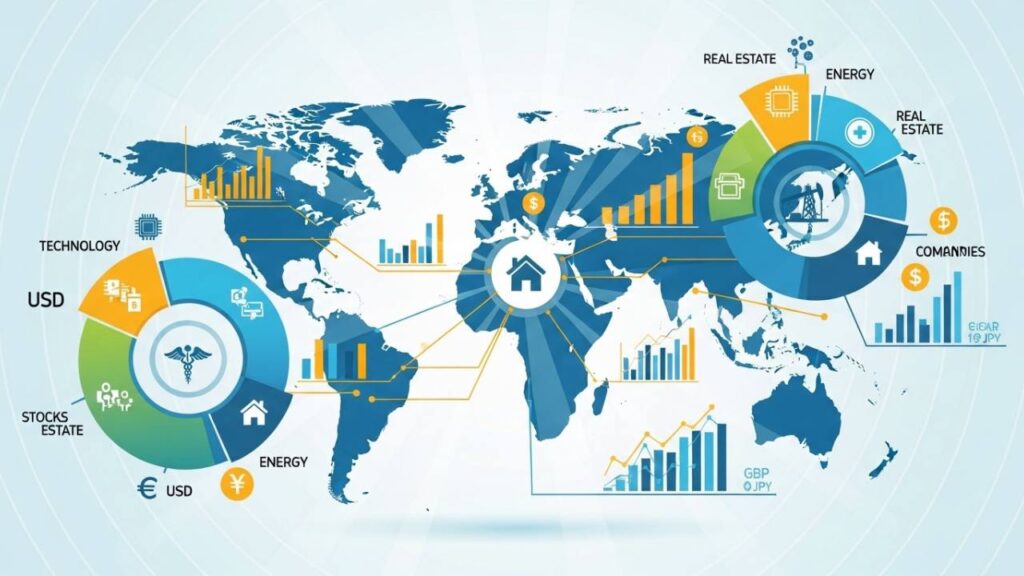
The most immediate benefit of a global equity fund is instant diversification. By spreading your eggs across many different baskets—different countries, different currencies, and different industries—you reduce the risk of any single event ruining your financial goals. If the tech sector in the U.S. has a bad month, perhaps the consumer staples sector in Europe or a banking giant in Australia will hold steady.
Another major advantage is the outsourcing of expertise. Most people do not have the time or the linguistic skills to research a German manufacturing firm or a Japanese robotics company. A global equity fund provides a team of analysts who do exactly that. They navigate the “red tape” of international investing, including the complexities of foreign withholding taxes, allowing you to benefit from global growth while you sleep.

Risks, Drawbacks, and Limitations
No investment is a “sure thing,” and global equities come with their own set of thorns. Market Volatility is the most prominent. Because these funds are tied to the stock market, they can—and will—go down in value during market corrections. A global recession can pull down all regions simultaneously, leaving nowhere to hide.
Currency Risk is another factor that beginners often overlook. If you invest in a fund that holds US stocks, and the US Dollar weakens significantly against your home currency, your investment value could drop even if the stocks themselves stayed at the same price.
For concentrated funds, Specific Stock Risk is heightened. If a fund only holds 25 companies and one of them faces a major scandal, the impact on your savings will be much more severe than it would be in a broader index fund. Furthermore, Active Management Risk means you are betting on the manager’s talent. If they misread a major economic shift, you might see lower returns than a simple index fund.
Who It May Be Suitable For
This type of investment is generally geared toward the patient investor. If you have a financial goal that is five, ten, or twenty years away—such as retirement or a child’s education fund—global equities can provide the growth engine needed to outpace inflation. It is also a good fit for those who already have a “core” portfolio of local stocks or bonds and want to add a layer of international growth.
Who Should Be Cautious or Avoid It
If you are likely to need your money back within the next two or three years, you should probably stay away from global equity funds. The risk of a “down year” is too high for short-term savings. Similarly, if seeing a 10% or 20% dip in your account balance would cause you to panic and sell at a loss, the inherent volatility of global stocks might not align with your risk tolerance.
Alternatives or Related Options
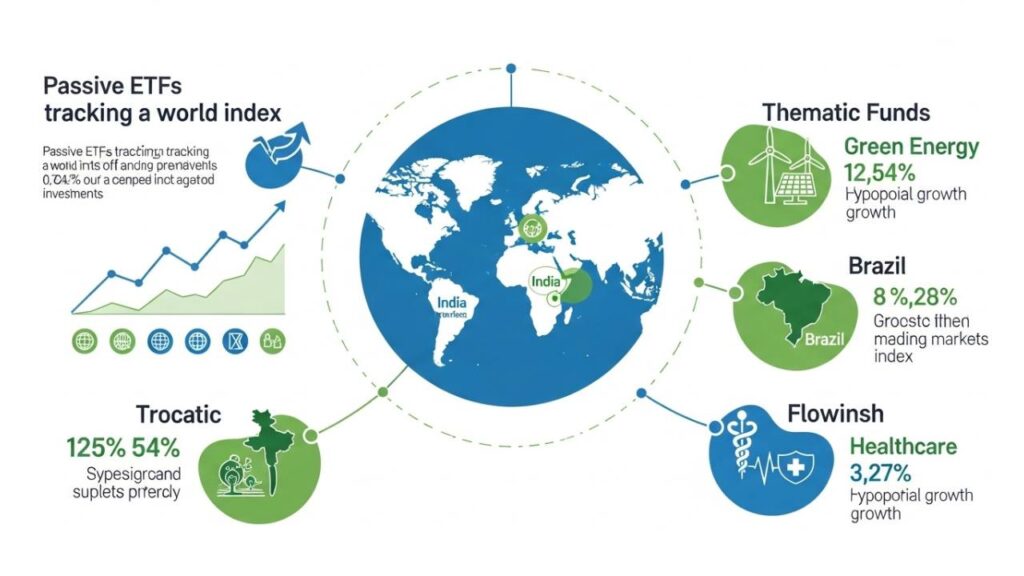
You don’t have to choose a concentrated, actively managed global fund to get international exposure. There are other paths:
- Passive Global ETFs: These aim to replicate an index like the MSCI World. They are cheaper and provide broader diversification.
- Thematic Funds: If you are specifically interested in one area, you can find global funds that focus only on “Green Energy” or “Healthcare.”
- Emerging Markets Funds: These ignore stable countries like the US and UK to focus entirely on developing economies like Brazil, India, and Vietnam.
Further Reading & Resources
To streamline your research, consider these essential concepts and professional management tools:
- Managed Strategies: Discover how a Magellan Global Equity strategy identifies “best-in-class” companies with a sustainable economic moat.
- Regulatory Risk: Stay informed on how smaller firms maintain their status by checking if BioCardia is safe from being delisted.
- Technical Health: Learn how Other Comprehensive Income tracks unrealized gains and losses to reveal a company’s true fiscal value.
- Expert Insights: Follow Saul’s Investing Discussions to see how experienced communities analyze high-growth digital infrastructure.
- Liquidity Shields: Understand how a Gating Fund uses “gate provisions” to protect long-term shareholders during periods of extreme market stress.
Frequently Asked Questions
1. How do I actually make money?
Profits typically come in two ways: Capital Gains (the price of the fund units goes up) and Distributions (the fund passes along dividends earned from the stocks it owns).
2. Can I lose all my money?
While theoretically possible if every company in the world went bankrupt, it is highly unlikely. However, you can certainly lose a significant portion of your principal during a major market crash.
3. Why is there so much in US stocks?
Even though they are “global,” many funds have 60% or more in US companies because the US houses many of the dominant global tech and healthcare giants.

Conclusion
Magellan global equity funds serve as a bridge between individual investors and the vast landscape of international commerce. By offering a blend of diversification, professional management, and access to industry-leading companies, they simplify what would otherwise be a daunting task. While the potential for long-term growth is a powerful draw, it is vital to balance that with an understanding of market volatility and the costs of active management.