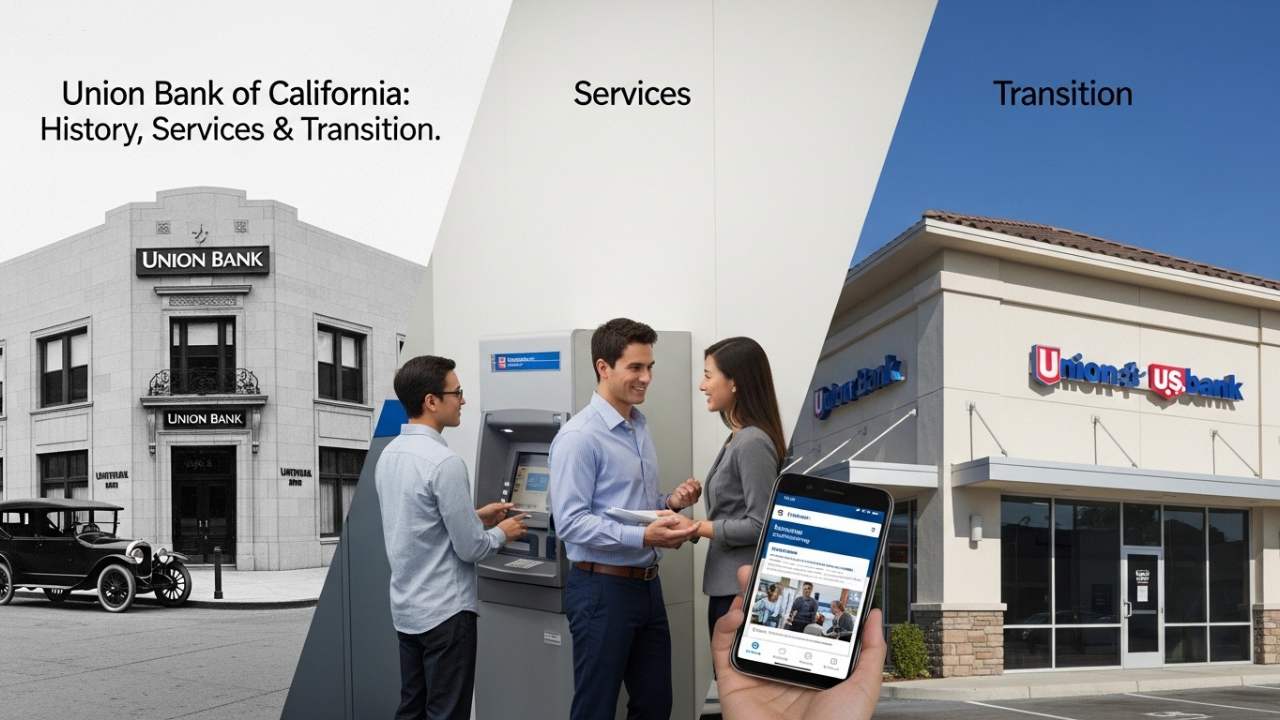

Navigating the shifting landscape of American finance often requires looking back at the institutions that once anchored regional economies. For over a century, unionbankofca served as a primary financial pillar for the West Coast, deeply integrated into the growth of the Pacific corridor. This bank was far more than just a place to store capital; it was a cornerstone of California’s commercial development. However, the banking world is rarely static, and Union Bank eventually underwent a series of high-profile structural shifts that culminated in its integration into a larger national framework.
For today’s consumers and financial history enthusiasts, the trajectory of Unionbankofca offers a case study in corporate consolidation. Its journey—from a major subsidiary of a Japanese global giant to its eventual acquisition by U.S. Bank—highlights how regional banking identities are being reshaped by broader market forces. This article provides a factual exploration of the bank’s heritage, the services it provided before its brand disappeared, and exactly what the transition means for former customers in the present day.

What Is Union Bank of California?
Union Bank of California, which later operated under the formal name MUFG Union Bank, N.A., was a full-service commercial bank with its primary headquarters in San Francisco. At the height of its operations, it managed a massive network of branches across California, Oregon, and Washington, with additional specialized offices in Texas and New York. The institution was widely respected for its dual focus on everyday retail banking and complex commercial lending.
Historically, the bank functioned as the U.S. retail arm of Mitsubishi UFJ Financial Group (MUFG), a Tokyo-based entity that ranks among the largest financial groups globally. This relationship gave the bank a unique “local-yet-global” status. However, a major shift occurred in December 2022 when U.S. Bancorp (the parent company of U.S. Bank) finalized a deal to acquire MUFG Union Bank’s core regional operations. By May 2023, the systems were fully merged, and the “Union Bank of California” brand was retired in favor of the U.S. Bank identity.

How the Banking Transition Worked
The process of merging two multi-billion-dollar financial institutions is a massive logistical undertaking. It isn’t as simple as changing the sign on the door; it involves a meticulous, multi-step migration of data and legal responsibilities.
Regulatory Oversight: Before any moves were made, federal bodies like the Federal Reserve and the Office of the Comptroller of the Currency (OCC) conducted rigorous reviews. They had to ensure the merger wouldn’t create a monopoly or leave customers in a vulnerable position.
Ownership Transfer: Once legal hurdles were cleared in late 2022, the “keys” to the bank officially passed from the Japanese parent company to U.S. Bancorp.
Data Migration: This phase is the most technical. Engineers had to map millions of data points—including routing numbers, transaction histories, and active loan balances—from Union Bank’s legacy systems to the modern infrastructure of U.S. Bank. They carefully transferred, verified, and aligned the data to ensure that every account, balance, and transaction record moved accurately into the new system without disrupting customer services.
Physical Rebranding: Following the digital move, crews replaced thousands of signs and updated ATM software across the entire West Coast to reflect the new ownership.
Customer Onboarding: During a final “conversion weekend” in May 2023, Union Bank’s digital portals were shuttered. Users were then guided through the process of logging into their new dashboards via the U.S. Bank mobile app and website.

Key Features and Core Components
Unionbankofca designed its structure to serve three groups: individuals, small businesses, and large corporations.
- Personal Banking Solutions: The bank offered a standard suite of financial products, including checking accounts, savings accounts, and certificates of deposit (CDs). They were particularly known for specialized accounts tailored to students and retirees.
- Real Estate Lending: Union Bank was a heavy hitter in the mortgage space. Because they understood the nuances of the West Coast housing market, they were a go-to source for both traditional mortgages and Home Equity Lines of Credit (HELOCs).
- Commercial and Industrial Services: Much of the bank’s strength lay in its “middle-market” lending. It provided the capital necessary for California’s diverse industries—from Silicon Valley tech firms to Central Valley agricultural operations—to expand and innovate.
- Private Wealth Management: Through its specialized private banking division, the institution handled investment management, trust services, and estate planning for high-net-worth clients who required more than just basic banking.

Benefits and Advantages
Over the years, Union Bank built its reputation on several key pillars, which, in turn, made it a strong choice for residents of the Pacific Coast. Moreover, these pillars consistently reinforced its competitive position in the regional banking market.
- Deep Regional Insight: Unlike “big four” banks that manage everything from a distant headquarters, Union Bank’s leadership was often local. This meant their loan officers had a better grasp of local economic trends and neighborhood-specific property values.
- Exceptional Stability: Being a subsidiary of MUFG provided a massive safety net. The bank had access to vast capital reserves, which helped it remain a stable harbor for depositors even during times of broader market uncertainty.
- The “Mid-Sized” Feel: Many customers gravitated toward the bank because it struck a balance. It was large enough to offer modern technology but small enough that branch managers often knew their regular clients by name.
- Security Infrastructure: Toward the end of its independent run, the bank made significant strides in digital security, offering robust fraud protection and encrypted remote deposit features that rivaled larger national competitors.

Risks, Drawbacks, and Limitations
While the bank had many strengths, there were inherent challenges to its business model that consumers had to consider.
- Heavy Geographic Reliance: Because the bank focused heavily on the West Coast, it became vulnerable to regional economic shocks. A downturn in California’s economy would hit Union Bank much harder than it would a bank with branches in all fifty states.
- Tech Friction: Some long-time users felt that Union Bank’s digital interface looked outdated compared to the sleek apps from Chase and many fintech startups.
- ATM and Branch Availability: Once a customer traveled east of the Rockies, finding a Union Bank branch became nearly impossible. This lack of a national footprint was a significant hurdle for those who traveled frequently for work or leisure.
- Transition Period Hurdles: The 2023 merger was a massive success on paper, but it didn’t come without “growing pains.” Some customers dealt with temporary issues like debit card activation delays, changes in automatic bill-pay settings, and long hold times with customer support.
Who It Was Suitable For
During its decades of operation, Union Bank was typically the best fit for specific types of banking needs.
- Long-Term West Coast Residents: People who lived, worked, and intended to stay in the Pacific corridor found the bank’s branch density and local focus highly convenient.
- Property and Business Investors: Entrepreneurs who needed a lender capable of understanding the high-stakes, high-value nature of California real estate often found a better partner in Union Bank than in a purely national lender.
- Relationship-Based Bankers: Individuals preferred traditional banking where they could visit a branch and speak with the same staff members for years.
Who Should Have Been Cautious
Certain individuals might have found the bank’s structure or the eventual merger too cumbersome for their lifestyle.
- National Travelers and Digital Nomads: For those who move between states frequently, a regional bank often feels too restrictive. The lack of nationwide physical support was a legitimate concern.
- Users Averse to Administrative Change: Anyone who finds it stressful to update direct deposit info, re-link apps, or learn a new banking interface might have found the 2023 transition particularly frustrating.
- Early Tech Adopters: Those who prioritize having the latest, most experimental features in their banking app would likely have found more satisfaction with a tech-first “neobank” or a larger national institution with a bigger R&D budget.
Alternatives and Related Options
Since the Unionbankofca brand is no longer active in the retail sector, those looking for similar services have several modern paths to choose from.
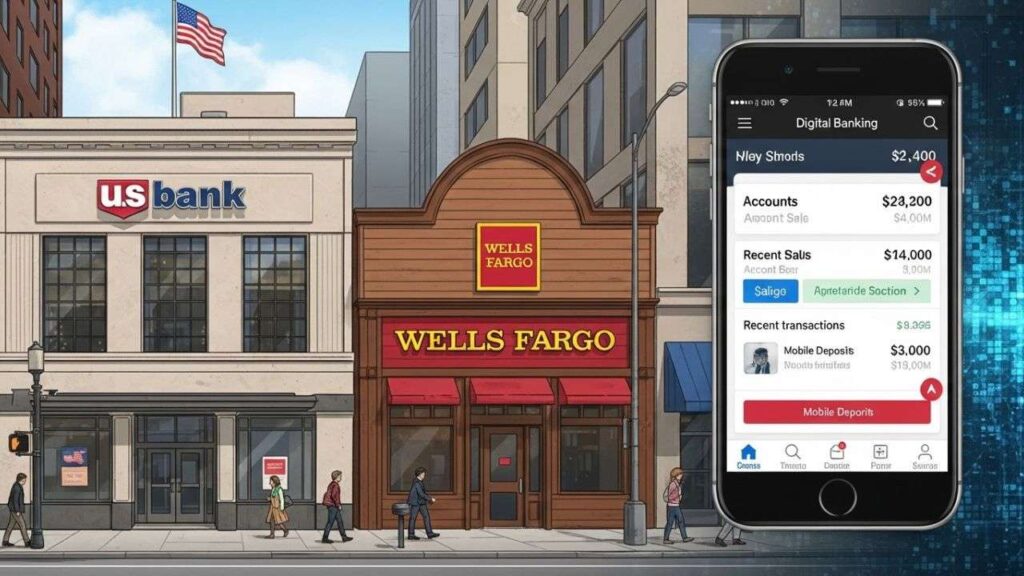
- U.S. Bank: This is the most logical successor. Since they inherited Union Bank’s branches and customers, they offer the same geographic convenience but with a much larger national network of ATMs and services.
- Wells Fargo: For those who want to stay with a bank that has deep historical roots in California and the West, Wells Fargo remains a primary alternative with a similar range of commercial products.
- Large Credit Unions: Likewise, community-oriented, usually low fee and more locally based institutions, such as Golden 1 Credit Union and SchoolsFirst Federal Credit Union, offer greater local decision-making and lower fees.
- Specialized Wealth Banks: For high-net-worth individuals, similarly, banks like City National Bank offer white-glove service and private banking perks that Union Bank once provided.
Essential Financial Resources & Tools
- Union Bank of California Transition: A detailed look at the historical timeline and the final merger process between UBOC and U.S. Bank.
- Webwise Banking Insights: Practical guidance on utilizing modern digital banking platforms to manage accounts efficiently and securely.
- Credit One Settlement Updates: Critical information regarding consumer class action lawsuits and how eligible cardholders can claim their portion of settlements.
- SaviBank Portal Access: A streamlined guide for customers looking to access their SaviBank accounts through the official login interface.
- MyDisbursementCard Management: Steps for activating and managing prepaid disbursement cards often used for insurance claims or government payments.
Frequently Asked Questions
1. Is Union Bank of California the same thing as UnionBank of the Philippines?
No, these two banks are completely unrelated. UnionBank of the Philippines is a separate entity focused on digital banking in Southeast Asia. Union Bank of California was a U.S. regional bank that has now merged with U.S. Bank.
2. What happened to my old Union Bank debit card and account number?
Following the May 2023 integration, most Union Bank customers were issued new U.S. Bank debit cards. While some account numbers stayed the same, many were updated to fit U.S. Bank’s system. If you still have an old card, it is likely no longer active.
3. Are the old Union Bank branches still open?
Most of the physical branch locations are still there, but they now wear the U.S. Bank logo. You can walk into these locations and receive service as a U.S. Bank customer.
4. Why did MUFG decide to sell the bank to U.S. Bank?
The decision was largely strategic. MUFG wanted to pivot its focus toward institutional and corporate banking, while U.S. Bank saw the acquisition as an ideal way to gain a massive, ready-made customer base and physical presence along the West Coast.
Conclusion
The story of Union Bank of California is a significant chapter in the broader narrative of American banking. It served as a vital financial engine for the West Coast, helping build the infrastructure and communities that define the region today. While the brand itself has transitioned into the U.S. Bank ecosystem, the impact it had on California’s economy remains tangible. For former customers and new observers alike, understanding this transition is key to navigating a banking industry that continues to move toward larger, more consolidated networks. Whether you are managing an inherited account or just curious about financial history, the legacy of Union Bank stands as a testament to the enduring importance of regional financial expertise.